Malerweg Trail
A Hike Through Pure Natural Art 🎨🌄
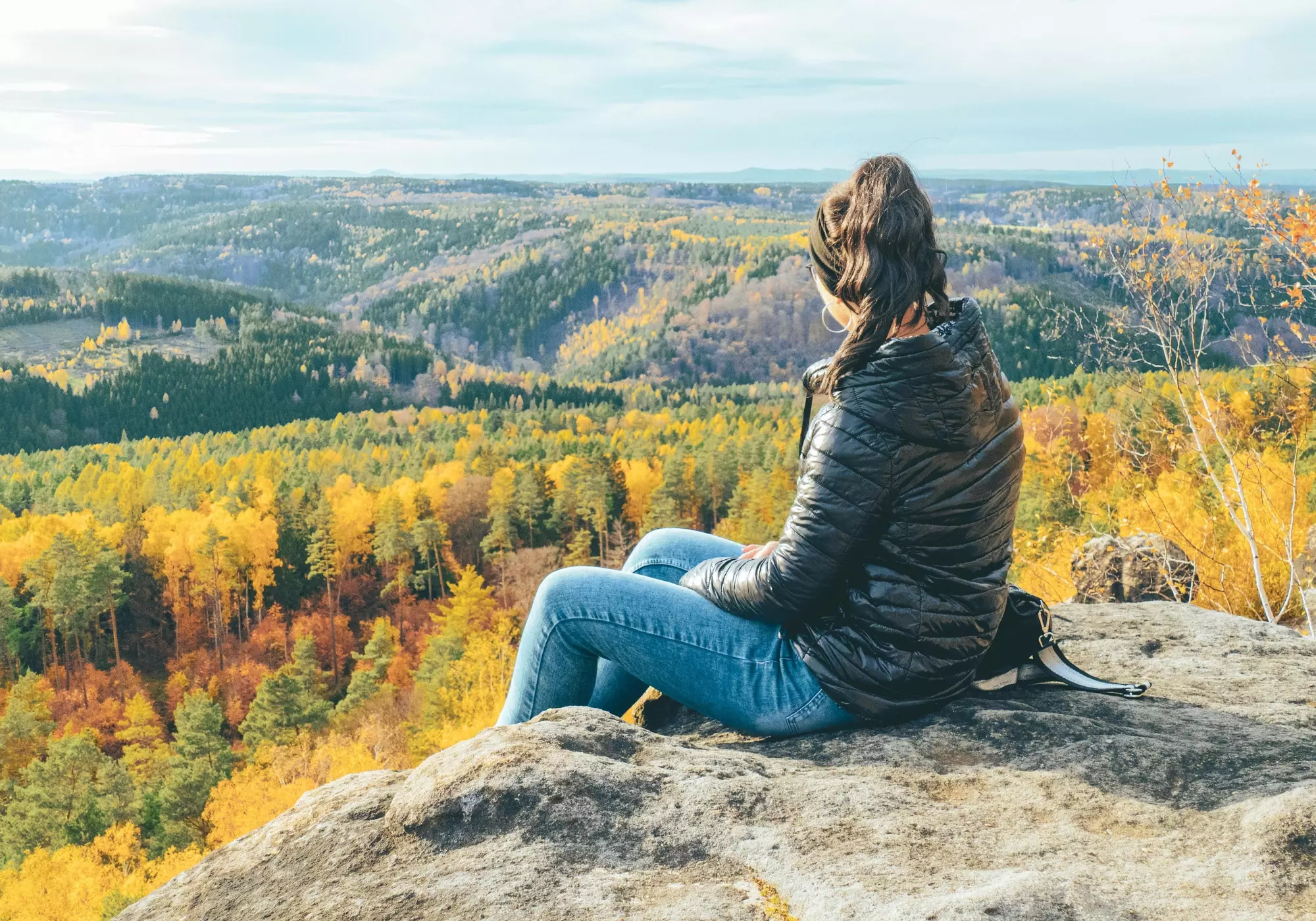
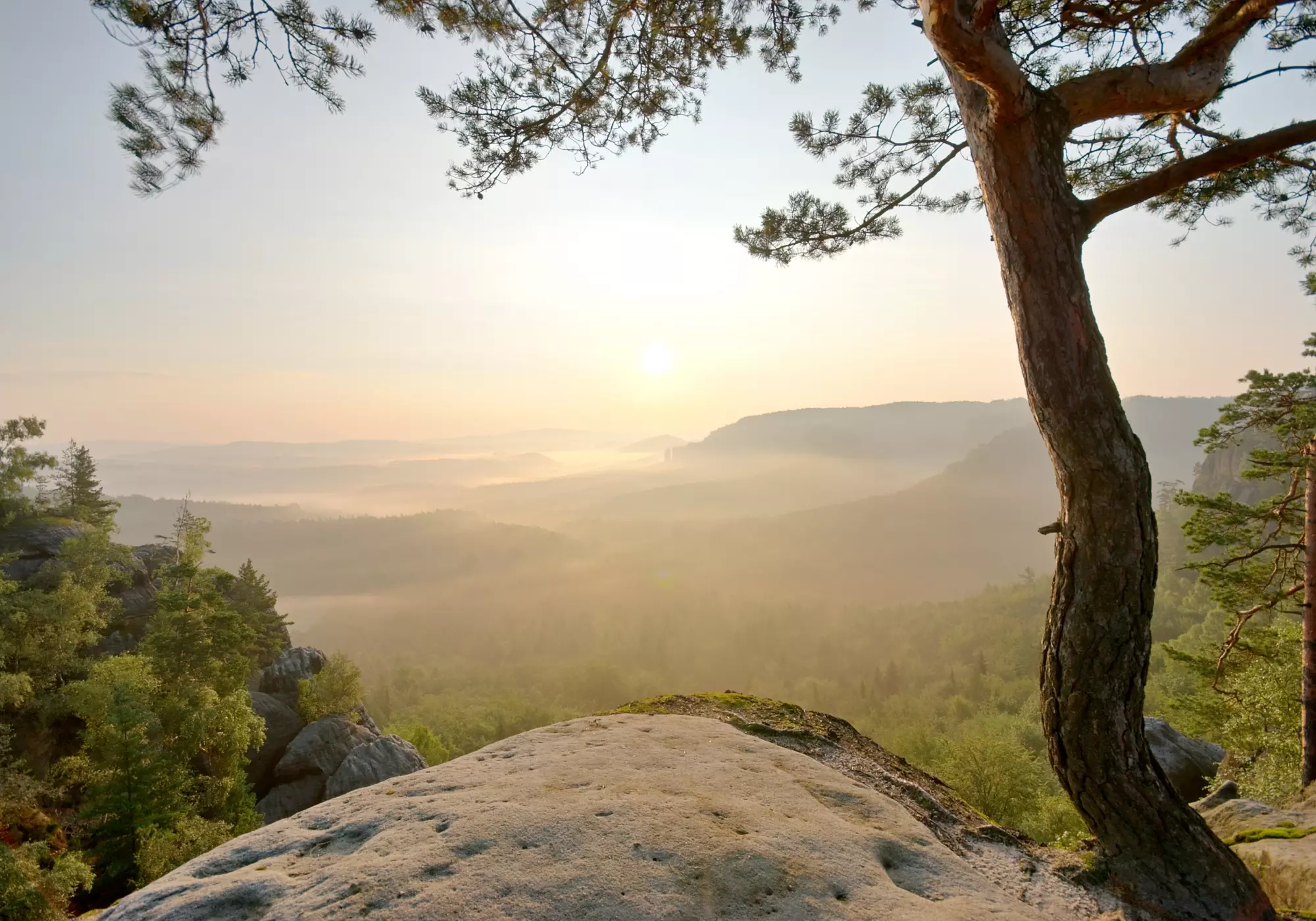
The Malerweg (Painters' Way) is one of Germany's most impressive hiking trails, leading through a landscape that has captivated travelers and artists for centuries. Across eight varied stages, you experience the full beauty of the Saxon Switzerland region, an area filled with wild rock formations, green forests, and deep gorges 🌲⛰️. Romantic painters, including Caspar David Friedrich, found inspiration here for their most famous works and followed the very paths you tread today 🖼️✨.
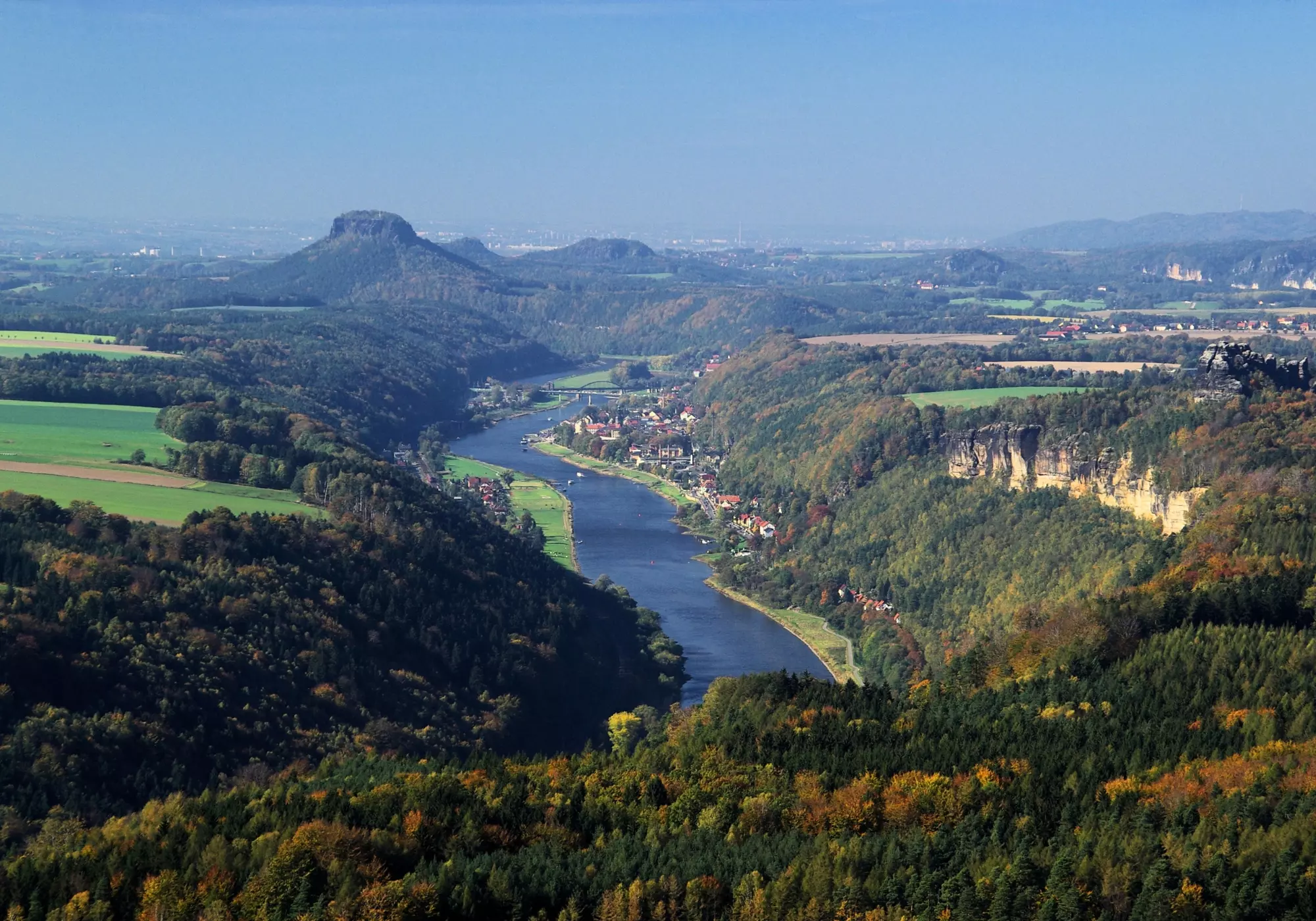
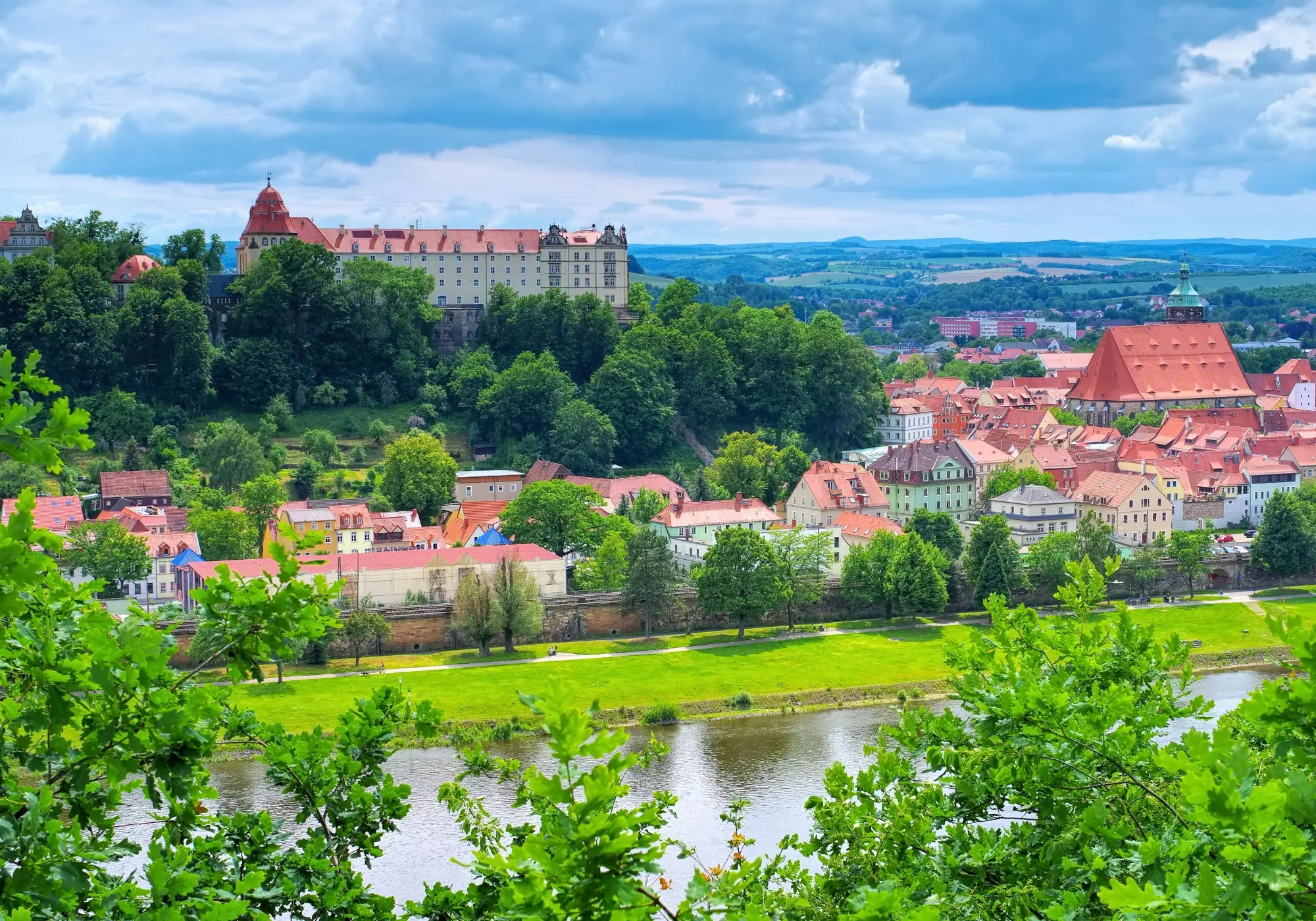
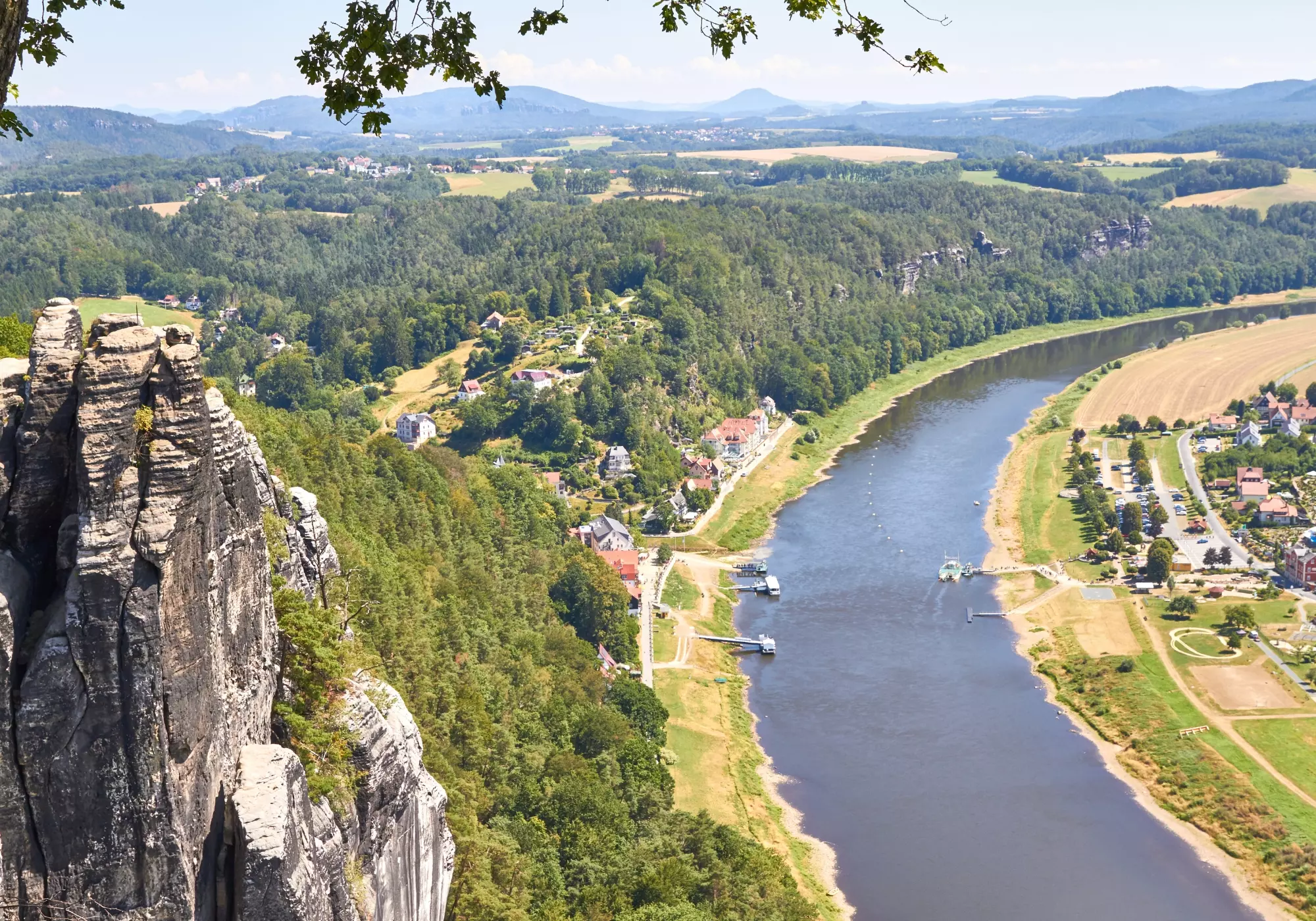
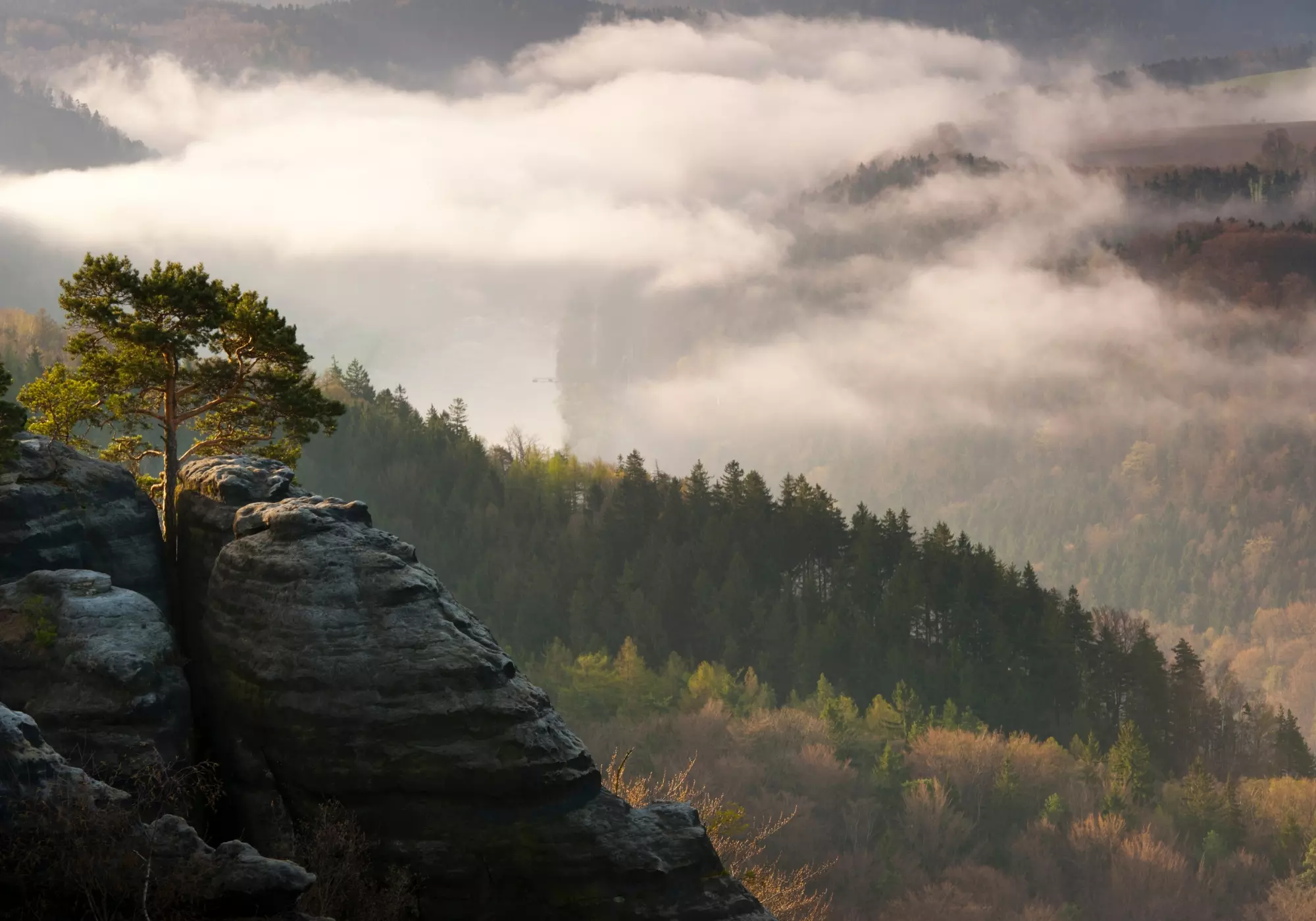
Your journey begins in the historic town of Pirna, where the River Elbe meanders gently through the valley 🌊. From there, the route leads along the right bank of the Elbe into the National Park of the Front Saxon Switzerland. Again and again, magnificent views open up onto sandstone towers and moss-covered cliff faces, while narrow paths wind through dense forests and quiet ravines 🥾🌿. Step by step, you approach the Rear Saxon Switzerland, perhaps the most spectacular part of the entire trail. Here, nature appears almost fairy-tale like: deep incisions, bright clearings, rushing forests, and distinctive table mountains characterize the landscape, which seems both wild and harmonious 🌄🍃.
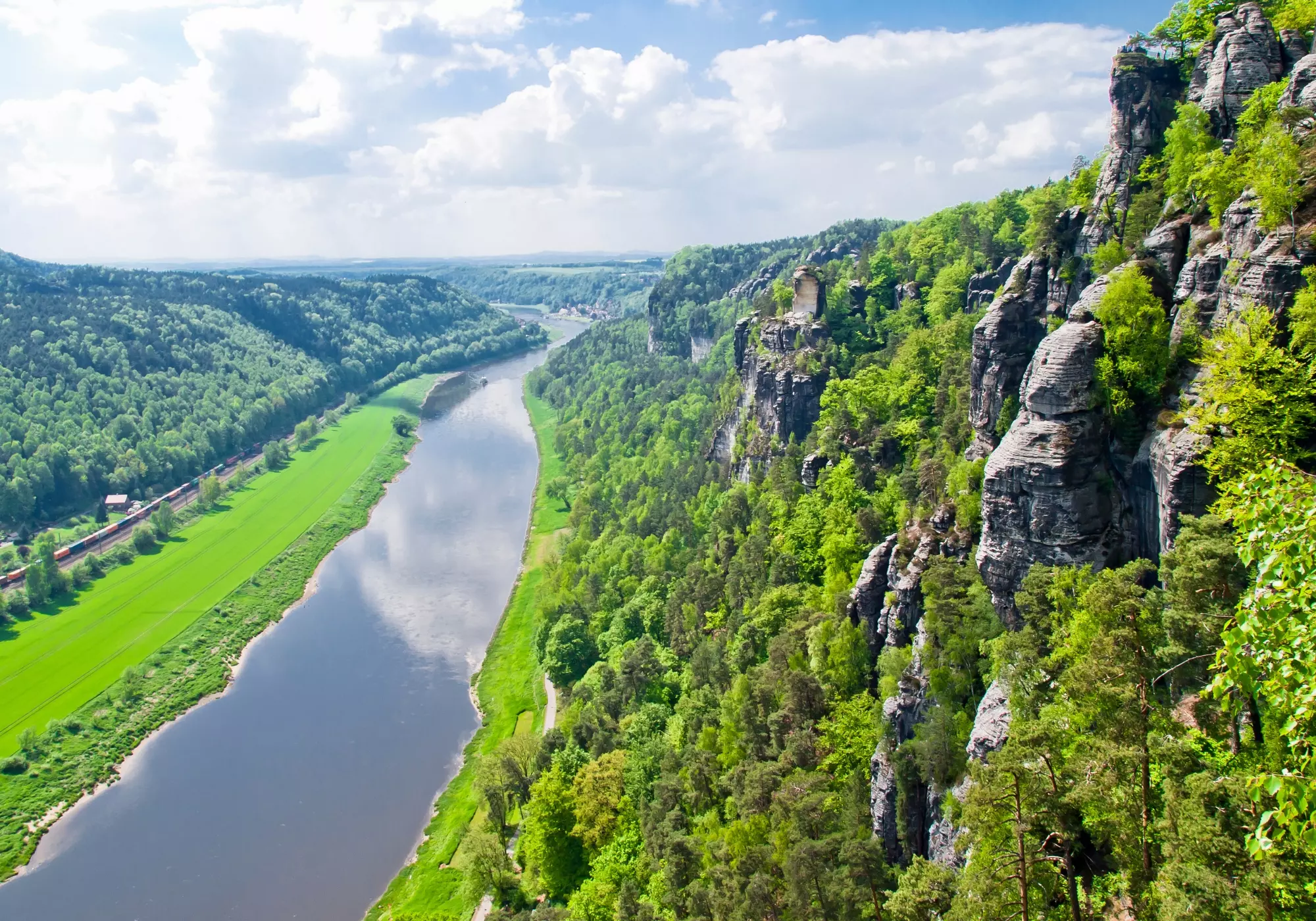
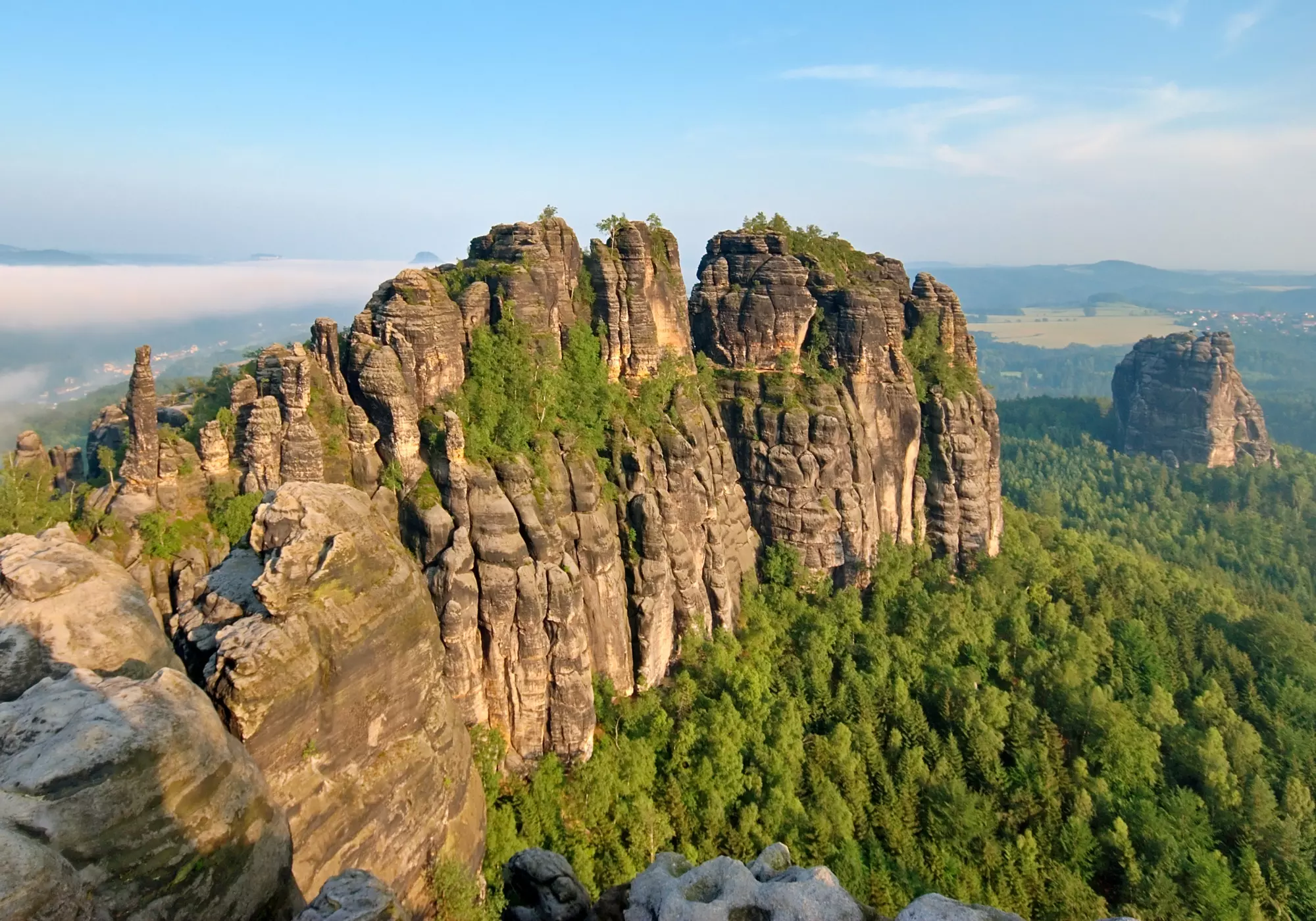
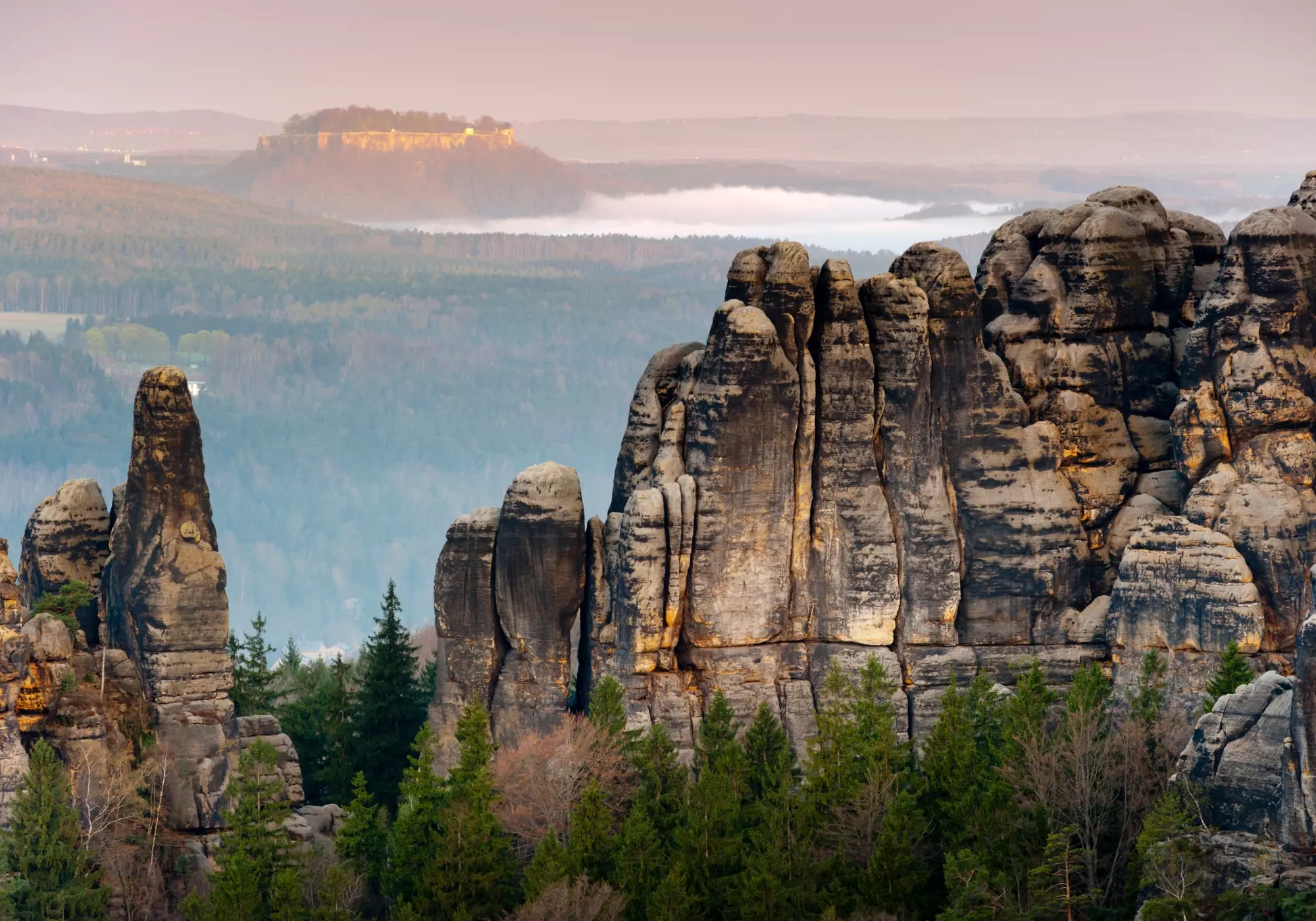
During the hike, you encounter many locations that are among the most famous natural wonders of the Elbe Sandstone Mountains. The celebrated Bastei with its far-reaching rock bridge delights with a panorama you won't soon forget 🌉. The rugged Schrammsteine offer dramatic ridge paths and breathtaking vistas. On the Großer Winterberg, you experience the quiet side of Saxon Switzerland, while the Pfaffenstein with the mysterious rock needle Barbarine seems like a natural monument from another world ⛰️✨. The mighty Königstein Fortress thrones high above the Elbe Valley and accompanies you as an impressive historical silhouette 🏰.
On the way back to Pirna, you hike through the "Reich der Steine" (Realm of Stones), a particularly fascinating region full of massive rock formations, quiet forest passages, and idyllic high-level trails 🌲💚. Repeatedly, views emerge that look as if they have leaped straight from a painting. The mixture of ancient nature, romantic atmosphere, and impressive rock landscapes makes every stage unique and unforgettable.
Along the way, you stay overnight in selected accommodations located just a few steps from the path. This leaves plenty of time to enjoy the tranquility of the evenings, sample regional specialties, and reflect on the day's impressions in a relaxed atmosphere 🍽️😌.
The Malerweg is not just a hike. It is a journey through natural history and art history, a deeply moving experience in a landscape that is unparalleled in Europe ✨🌿. Each day offers new inspiration, quiet moments, and unforgettable impressions – a hiking experience that lingers long after you return home.
Arrival in Pirna
Due to the excellent transport links, arrival in Pirna by train or car is straightforward. Discounted parking spaces for cars are available in the multi-story car park for the entire duration of your trip.
Hotel (example): Romantik Hotel Deutsches Haus
Liebethaler Grund - Lohmen
Your hike begins in Pirna with the crossing of the Elbe river, continuing via Jessen to the starting point of the Malerweg trail at the Liebethaler Grund (approx. 5 km). Alternatively, you can use the regional bus G/L from Pirna to Liebethal (approx. 20 minutes travel time; included in the Gästekarte mobil guest card). The Liebethaler Grund is the gateway to the Malerweg. Following the cheerfully flowing Wesenitz river, the first stage leads through the romantic valley, past the monumental Richard Wagner Monument to the Lochmühle (mill). Hidden behind trees and bushes, the long-abandoned quarries bear witness to centuries of sandstone extraction and its use as building material and for making millstones.
Hotel (example): Hotel Landhaus Nicolai
distance
climb
descent
duration
Lohmen - Hohnstein/Polenztal
After passing through the village of Lohmen, you reach the Uttewalder Grund (Uttewalde Gorge). This gorge, overgrown with ferns and mosses, was a frequent subject for the paintings of the Romantic artists. Caspar David Friedrich is said to have spent several days here to capture the special atmosphere of the place. Through the Uttewalde Rock Gate and the Wehlener Grund (Wehlen Gorge), the Malerweg leads to the town of Stadt Wehlen on the Elbe river. Here you will also find the Wehlen Castle Ruins, from whose plateau you have a beautiful view over the small town and the Elbe.
From Wehlen, the Malerweg follows the Schwarzbergweg past the Steinerner Tisch (Stone Table) to arguably the most famous viewpoint in Saxon Switzerland, the Bastei Viewpoint. From here, you look down 190 meters into the charming Elbe Valley and enjoy the spectacular panorama of the nearby and distant table mountains. Via the 76-meter-long Bastei Bridge, you reach the time-honoured Neurathen Rock Castle. After descending from the Bastei into the small village of Rathen, you continue hiking on the Malerweg along the Grünbach stream, past the access point to the Rathen Open-Air Stage , towards Rathewalde, and pass the Amselsee (Blackbird Lake). Approximately 400 m after the Amselsee, you will see the signpost to the Schwedenlöcher (Sweden Holes). This is a worthwhile short detour from the route, combined with a brief hike into the narrow valley of the Schwedenlöcher.
After returning to the Amselgrund (Blackbird Valley) and a short ascent, you soon reach the Amselfall (Blackbird Waterfall). At the exit of the Amselgrund shortly before Rathewalde are the partly restored Rathewalde Mills. Shortly before the Hockstein Viewpoint, you cross the stone Teufelsbrücke (Devil's Bridge) and follow the Malerweg down through the narrow rift of the Wolfsschlucht (Wolf's Gorge) into the Polenztal (Polenz Valley). The small town of Hohnstein, with its castle, is enthroned above the valley.
Hotel (example): Pension Polenztal
distance
climb
descent
duration
Hohnstein/Polenztal – Bad Schandau
Passing the remains of the former bear garden , the Malerweg leads directly into the small town, also famous for the Hohnstein hand puppets. You hike to one of the most beautiful viewpoints in Saxon Switzerland, the Brandaussicht. From the "Balcony of Saxon Switzerland," a magnificent view opens up over the Front and Rear Saxon Switzerland.
Via the steep and stepped Brandstufen descent, you reach the Tiefen Grund (Deep Gorge) and continue on the Malerweg to the picturesque village of Waitzdorf. In the middle of the village is the Waizdorfer Schänke with a beer garden and tavern. You follow the path further to Kohlmühle. From here, you go parallel to the National Park train line towards the Großdorfer Raubschloss. Via the Mühlenweg, you leave the Sebnitz Valley, climbing up to Altendorf. From Altendorf, you follow the Panorama Trail to Schlossberg (Castle Hill) above Bad Schandau and reach the town center of Bad Schandau via a short descent.
Hotel (example): Parkhotel Bad Schandau
distance
climb
descent
duration
Bad Schandau – Kirnitzschtal
For quick access to the starting point of the day's stage, use the historic passenger elevator p to the Ostrau Plateau (a discounted fare applies with the guest card). From Ostrau, the Malerweg leads past the Falkenstein to the Große Schrammtor (Great Schramm Gate) and the imposing Schrammstein Viewpoint, where you have a magnificent view over the Front and Rear Saxon Switzerland and, in clear weather, as far as Dresden. Steps and ladders characterize the ascent to the Schrammsteine.
Via the ridge path, you reach the Zurückesteig, which leads you into the Affensteine area . A worthwhile short detour at this point is the path to the panoramic view on the Carolafelsen, the highest peak of the rock formation. Back on the Malerweg, a leisurely descent follows via the Kleiner Dom and the Unterer Affensteinweg into the Kirnitzschtal (Kirnitzsch Valley) and on to the Lichtenhainer Waterfall.
Should accommodation in the Kirnitzschtal already be fully booked, you can take the historic Kirnitzschtalbahn tram or the hiking bus 241 back to your accommodation in Bad Schandau (duration approx. 15-20 minutes; free with the Gästekarte mobil guest card).
Hotel (example): Parkhotel Bad Schandau
distance
climb
descent
duration
Kirnitzschtal – Schmilka
If you plan to stay overnight in Bad Schandau, first travel back to the starting point of the hike.
From the Lichtenhainer Waterfall, the Malerweg leads first to the famous rock arch Kuhstall (Cow Shed), which is the second-largest rock arch in the Elbe Sandstone Mountains after the Prebischtor. Don't miss the somewhat hidden ascent via the narrow rock crevice, the so-called Himmelsleiter (Ladder to Heaven). On the rock plateau, you can still discover the remains of Wildenstein Castle.
After the descent, the Malerweg follows the Haussteig back into the Kirnitzschtal. From the Felsenmühle (Rock Mill), the Malerweg runs upstream along the cheerfully babbling Kirnitzsch river to the Neumannmühle and Buschmühle mills and on to the noteworthy Kleinsteinhöhle (Kleinstein Cave). You follow the road towards the Räumichtmühle and turn off into the Mühlschlüchte (Mill Gorges) shortly before it. Passing the Altes Zeughaus (Old Arsenal), you hike via the Pohlshorn and the Goldsteinaussicht viewpoint to the beech-covered basalt dome of the Großer Winterberg (556 m). The "Eishaus" National Park Information Pointis located here. Via the steep Bergsteig (Mountain Trail) with many steps, you soon reach Schmilka, where a stop at the Schmilkaer Mühle with its mill garden and bakery is recommended.
Hotel (example): Nationalparkhotel HELVETIA
distance
climb
descent
duration
Schmilka - Kurort Gohrisch
Take the ferry to cross to the left bank of the Elbe and hike via the Aschersteig to Schöna. A short detour to the Kaiserkrone offers charming views. Continue to the Wolfsberg and on to Reinhardtsdorf. In Reinhardtsdorf, discover a gem of Baroque church architecture. The church in Reinhardtsdorf is one of the oldest and most beautiful churches in this area. From Reinhardtsdorf, the Malerweg leads further into the Krippengrund. Two "highlights" await you in the further course of the stage: The Papststein and the Gohrisch , at 451 and 440 meters respectively, are the highest points on the Malerweg after the Großer Winterberg.
Our insider tip on this stage: stop for refreshments at the Bergwirtschaft (mountain inn) on the Papststein. You reach the spa town of Kurort Gohrisch via the Muselweg.
Hotel (example): Pension Villa Irene
distance
climb
descent
duration
Kurort Gohrisch - Weißig
From Gohrisch, follow the Malerweg route via the Heideberg to the Pfaffenstein. Those who wish to avoid the steep ascent through the "Nadelöhr" (Needle's Eye) should follow the footpath to the right around the Pfaffenstein for an easier climb. On the table mountain, a view awaits you of the legendary „Barbarine“a rock needle which, according to legend, is a petrified maiden. Via the Kammerweg, you descend from the Pfaffenstein and hike towards the Quirl. The largest cave in Saxon Switzerland, the Diebskeller (Thief's Cellar), is located at this table mountain. Diebskeller (Thief's Cellar).
From Pfaffendorf, the Malerweg leads you into the Elbe Valley and through the narrow streets of Königstein's old town. From here, you hike via the Latzweg to the famous Königstein Fortress. Plan about 2 hours to visit the Königstein Fortress. After a short distance on the Malerweg, you reach the Biedermann-Mausoleum. Here, the Thiele-Aussicht viewpoint awaits you with a panorama over the Elbe, the Lilienstein, and back to the Königstein Fortress. If you have a sweet tooth, you shouldn't miss visiting the chocolate factory at Thürmsdorf Castle. Now it is only a few kilometers until you reach your stage destination, the small village of Weißig.
Hotel (example): Pension Laasenperle
distance
climb
descent
duration
Weißig - Pirna
The final stage of your hiking trip offers relaxed hiking. The trail climbs the Rauenstein , the last peak of the Malerweg. In Naundorf, a visit to the Robert Sterl Houseis worthwhile. The museum, one of the few artist's houses in Germany to be preserved in its original condition, safeguards the artistic legacy of the Impressionist painter Robert Sterl. Passing former quarries, the Malerweg leads you to the Königsnase (King's Nose), where another beautiful view over the Elbe Valley awaits.
Shortly before Pirna, the Malerweg joins the Canalettoweg and finally ends at the Pirna Market Square. Stroll through the picturesque historic old town with its elaborately decorated town houses and discover special details such as the Devil's and the Angel's bay windows. The Canaletto Houseis also located at the market square, which got its name after the creation of the painting "The Market Square in Pirna". The Saxon court painter Bernardo Bellotto, known as Canaletto, immortalized Pirna as the only small town in his works. A total of eleven large town views were created between 1753 and 1755. In the historic old town of Pirna, you can expect a good selection of restaurants that will be happy to serve you regional culinary delicacies and Saxon wines.
Hotel (example): Pirn’scher Hof
distance
climb
descent
duration
Departure or extension
After completing the final stage, you can extend your stay in Saxony as you wish and explore the region further on your own. The cultural metropolis of Dresden is just a short train ride away and is always worth a visit, with its world-famous sights such as the Frauenkirche, the baroque Zwinger palace, the Semper Opera House , the historic old town, and numerous museums.
Day 1
Arrival in Pirna
Due to the excellent transport links, arrival in Pirna by train or car is straightforward. Discounted parking spaces for cars are available in the multi-story car park for the entire duration of your trip.
Hotel (example): Romantik Hotel Deutsches Haus
Day 2
Liebethaler Grund - Lohmen
Your hike begins in Pirna with the crossing of the Elbe river, continuing via Jessen to the starting point of the Malerweg trail at the Liebethaler Grund (approx. 5 km). Alternatively, you can use the regional bus G/L from Pirna to Liebethal (approx. 20 minutes travel time; included in the Gästekarte mobil guest card). The Liebethaler Grund is the gateway to the Malerweg. Following the cheerfully flowing Wesenitz river, the first stage leads through the romantic valley, past the monumental Richard Wagner Monument to the Lochmühle (mill). Hidden behind trees and bushes, the long-abandoned quarries bear witness to centuries of sandstone extraction and its use as building material and for making millstones.
Hotel (example): Hotel Landhaus Nicolai
distance
climb
descent
duration
Day 3
Lohmen - Hohnstein/Polenztal
After passing through the village of Lohmen, you reach the Uttewalder Grund (Uttewalde Gorge). This gorge, overgrown with ferns and mosses, was a frequent subject for the paintings of the Romantic artists. Caspar David Friedrich is said to have spent several days here to capture the special atmosphere of the place. Through the Uttewalde Rock Gate and the Wehlener Grund (Wehlen Gorge), the Malerweg leads to the town of Stadt Wehlen on the Elbe river. Here you will also find the Wehlen Castle Ruins, from whose plateau you have a beautiful view over the small town and the Elbe.
From Wehlen, the Malerweg follows the Schwarzbergweg past the Steinerner Tisch (Stone Table) to arguably the most famous viewpoint in Saxon Switzerland, the Bastei Viewpoint. From here, you look down 190 meters into the charming Elbe Valley and enjoy the spectacular panorama of the nearby and distant table mountains. Via the 76-meter-long Bastei Bridge, you reach the time-honoured Neurathen Rock Castle. After descending from the Bastei into the small village of Rathen, you continue hiking on the Malerweg along the Grünbach stream, past the access point to the Rathen Open-Air Stage , towards Rathewalde, and pass the Amselsee (Blackbird Lake). Approximately 400 m after the Amselsee, you will see the signpost to the Schwedenlöcher (Sweden Holes). This is a worthwhile short detour from the route, combined with a brief hike into the narrow valley of the Schwedenlöcher.
After returning to the Amselgrund (Blackbird Valley) and a short ascent, you soon reach the Amselfall (Blackbird Waterfall). At the exit of the Amselgrund shortly before Rathewalde are the partly restored Rathewalde Mills. Shortly before the Hockstein Viewpoint, you cross the stone Teufelsbrücke (Devil's Bridge) and follow the Malerweg down through the narrow rift of the Wolfsschlucht (Wolf's Gorge) into the Polenztal (Polenz Valley). The small town of Hohnstein, with its castle, is enthroned above the valley.
Hotel (example): Pension Polenztal
distance
climb
descent
duration
Day 4
Hohnstein/Polenztal – Bad Schandau
Passing the remains of the former bear garden , the Malerweg leads directly into the small town, also famous for the Hohnstein hand puppets. You hike to one of the most beautiful viewpoints in Saxon Switzerland, the Brandaussicht. From the "Balcony of Saxon Switzerland," a magnificent view opens up over the Front and Rear Saxon Switzerland.
Via the steep and stepped Brandstufen descent, you reach the Tiefen Grund (Deep Gorge) and continue on the Malerweg to the picturesque village of Waitzdorf. In the middle of the village is the Waizdorfer Schänke with a beer garden and tavern. You follow the path further to Kohlmühle. From here, you go parallel to the National Park train line towards the Großdorfer Raubschloss. Via the Mühlenweg, you leave the Sebnitz Valley, climbing up to Altendorf. From Altendorf, you follow the Panorama Trail to Schlossberg (Castle Hill) above Bad Schandau and reach the town center of Bad Schandau via a short descent.
Hotel (example): Parkhotel Bad Schandau
distance
climb
descent
duration
Day 5
Bad Schandau – Kirnitzschtal
For quick access to the starting point of the day's stage, use the historic passenger elevator p to the Ostrau Plateau (a discounted fare applies with the guest card). From Ostrau, the Malerweg leads past the Falkenstein to the Große Schrammtor (Great Schramm Gate) and the imposing Schrammstein Viewpoint, where you have a magnificent view over the Front and Rear Saxon Switzerland and, in clear weather, as far as Dresden. Steps and ladders characterize the ascent to the Schrammsteine.
Via the ridge path, you reach the Zurückesteig, which leads you into the Affensteine area . A worthwhile short detour at this point is the path to the panoramic view on the Carolafelsen, the highest peak of the rock formation. Back on the Malerweg, a leisurely descent follows via the Kleiner Dom and the Unterer Affensteinweg into the Kirnitzschtal (Kirnitzsch Valley) and on to the Lichtenhainer Waterfall.
Should accommodation in the Kirnitzschtal already be fully booked, you can take the historic Kirnitzschtalbahn tram or the hiking bus 241 back to your accommodation in Bad Schandau (duration approx. 15-20 minutes; free with the Gästekarte mobil guest card).
Hotel (example): Parkhotel Bad Schandau
distance
climb
descent
duration
Day 6
Kirnitzschtal – Schmilka
If you plan to stay overnight in Bad Schandau, first travel back to the starting point of the hike.
From the Lichtenhainer Waterfall, the Malerweg leads first to the famous rock arch Kuhstall (Cow Shed), which is the second-largest rock arch in the Elbe Sandstone Mountains after the Prebischtor. Don't miss the somewhat hidden ascent via the narrow rock crevice, the so-called Himmelsleiter (Ladder to Heaven). On the rock plateau, you can still discover the remains of Wildenstein Castle.
After the descent, the Malerweg follows the Haussteig back into the Kirnitzschtal. From the Felsenmühle (Rock Mill), the Malerweg runs upstream along the cheerfully babbling Kirnitzsch river to the Neumannmühle and Buschmühle mills and on to the noteworthy Kleinsteinhöhle (Kleinstein Cave). You follow the road towards the Räumichtmühle and turn off into the Mühlschlüchte (Mill Gorges) shortly before it. Passing the Altes Zeughaus (Old Arsenal), you hike via the Pohlshorn and the Goldsteinaussicht viewpoint to the beech-covered basalt dome of the Großer Winterberg (556 m). The "Eishaus" National Park Information Pointis located here. Via the steep Bergsteig (Mountain Trail) with many steps, you soon reach Schmilka, where a stop at the Schmilkaer Mühle with its mill garden and bakery is recommended.
Hotel (example): Nationalparkhotel HELVETIA
distance
climb
descent
duration
Day 7
Schmilka - Kurort Gohrisch
Take the ferry to cross to the left bank of the Elbe and hike via the Aschersteig to Schöna. A short detour to the Kaiserkrone offers charming views. Continue to the Wolfsberg and on to Reinhardtsdorf. In Reinhardtsdorf, discover a gem of Baroque church architecture. The church in Reinhardtsdorf is one of the oldest and most beautiful churches in this area. From Reinhardtsdorf, the Malerweg leads further into the Krippengrund. Two "highlights" await you in the further course of the stage: The Papststein and the Gohrisch , at 451 and 440 meters respectively, are the highest points on the Malerweg after the Großer Winterberg.
Our insider tip on this stage: stop for refreshments at the Bergwirtschaft (mountain inn) on the Papststein. You reach the spa town of Kurort Gohrisch via the Muselweg.
Hotel (example): Pension Villa Irene
distance
climb
descent
duration
Day 8
Kurort Gohrisch - Weißig
From Gohrisch, follow the Malerweg route via the Heideberg to the Pfaffenstein. Those who wish to avoid the steep ascent through the "Nadelöhr" (Needle's Eye) should follow the footpath to the right around the Pfaffenstein for an easier climb. On the table mountain, a view awaits you of the legendary „Barbarine“a rock needle which, according to legend, is a petrified maiden. Via the Kammerweg, you descend from the Pfaffenstein and hike towards the Quirl. The largest cave in Saxon Switzerland, the Diebskeller (Thief's Cellar), is located at this table mountain. Diebskeller (Thief's Cellar).
From Pfaffendorf, the Malerweg leads you into the Elbe Valley and through the narrow streets of Königstein's old town. From here, you hike via the Latzweg to the famous Königstein Fortress. Plan about 2 hours to visit the Königstein Fortress. After a short distance on the Malerweg, you reach the Biedermann-Mausoleum. Here, the Thiele-Aussicht viewpoint awaits you with a panorama over the Elbe, the Lilienstein, and back to the Königstein Fortress. If you have a sweet tooth, you shouldn't miss visiting the chocolate factory at Thürmsdorf Castle. Now it is only a few kilometers until you reach your stage destination, the small village of Weißig.
Hotel (example): Pension Laasenperle
distance
climb
descent
duration
9. Tag
Weißig - Pirna
The final stage of your hiking trip offers relaxed hiking. The trail climbs the Rauenstein , the last peak of the Malerweg. In Naundorf, a visit to the Robert Sterl Houseis worthwhile. The museum, one of the few artist's houses in Germany to be preserved in its original condition, safeguards the artistic legacy of the Impressionist painter Robert Sterl. Passing former quarries, the Malerweg leads you to the Königsnase (King's Nose), where another beautiful view over the Elbe Valley awaits.
Shortly before Pirna, the Malerweg joins the Canalettoweg and finally ends at the Pirna Market Square. Stroll through the picturesque historic old town with its elaborately decorated town houses and discover special details such as the Devil's and the Angel's bay windows. The Canaletto Houseis also located at the market square, which got its name after the creation of the painting "The Market Square in Pirna". The Saxon court painter Bernardo Bellotto, known as Canaletto, immortalized Pirna as the only small town in his works. A total of eleven large town views were created between 1753 and 1755. In the historic old town of Pirna, you can expect a good selection of restaurants that will be happy to serve you regional culinary delicacies and Saxon wines.
Hotel (example): Pirn’scher Hof
distance
climb
descent
duration
10. Tag
Departure or extension
After completing the final stage, you can extend your stay in Saxony as you wish and explore the region further on your own. The cultural metropolis of Dresden is just a short train ride away and is always worth a visit, with its world-famous sights such as the Frauenkirche, the baroque Zwinger palace, the Semper Opera House , the historic old town, and numerous museums.
Requirements for hikers
Summary
- Total approx. 118 km over 8 hiking days
- 9 nights
- Breakfast
- Traditional German cold platter in Lohmen
- 4-course organic vitality menu in Schmilka
- Luggage transfer
- Travel documents and maps
- Service hotline
- from 1.025,- € per person

Facts about the Malerweg Trail
- Saxon Switzerland National Park covers an area of around 93.5 km²
- The highest peak in the National Park is the Großer Winterberg, at approximately 556 m (1,824 ft) in height
- Saxon Switzerland belongs to the Elbe Sandstone Mountains (Elbsandsteingebirge)
- The Malerweg trail in the Elbe Sandstone Mountains is approximately 116 km (72 miles) long
- The name 'Saxon Switzerland' presumably originates from the two Swiss painters Adrian Zingg (1734–1816) and Anton Graff (1736–1813), who were appointed to the Dresden Art Academy in 1766
Climate on the Malerweg Trail (Saxon Switzerland)
The climate along the Malerweg in the Elbe Sandstone Mountains is characterized by a moderate Central European climate, with a slight tendency towards continental influences. Summers are pleasantly warm, with temperatures typically ranging between about 15 and 25 °C (59 to 77 °F). The gorges and rock formations that the trail passes through often offer welcome shade during this season, making hiking enjoyable. In the transitional months of spring and autumn, characteristic weather phenomena can occur: the so-called "Bohemian Wind" can pick up from the eastern region and cause temperatures to rise briefly. In winter, some sections can expect snow or ice, especially on exposed rocks or steps. Nevertheless, according to official information, the trail is generally accessible all year round, provided there are no extreme weather conditions.
Recommended hiking time: Spring to autumn is ideal, especially May to October, as the weather is usually stable and nature is in full bloom or showing autumnal colors.
Cuisine Along the Malerweg Trail
The region surrounding the Malerweg offers hearty, down-to-earth, typical Saxon cuisine, enriched by the diversity of dining options, from rustic mountain inns to stylish panoramic restaurants. Many eateries along the trail value regional products: local producers supply meat, vegetables, milk, and herbs, so dishes are prepared with fresh, sustainable ingredients. Typical Saxon dishes include hearty meals such as Sauerbraten (marinated pot roast), substantial roasts, or regional sausage dishes. Krautwickel (cabbage rolls) are also a local specialty, often served in various variations in many inns. For a sweet finish, regional baked goods and classic pastries are available: the Eierschecke, a multilayered cream and quark cake typical of Saxony, is especially popular. And, of course, a cup of coffee with cake is a must. Many rest stops along the way offer a cozy invitation to indulge. Because many guesthouses along the Malerweg are set up to be "hiker-friendly," you will find not only meals but often also packed lunches or small break snacks, ideal for a well-deserved rest after strenuous stages.