Moselle and Eifel Trail
Hiking between river panorama, Roman history, and wild romantic nature 🍇🏞️✨
Between the gentle vineyards of the three-border region and the wild romantic heights of the Eifel, a hiking journey unfolds that connects panorama, culture, and nature in a unique way. Following the Mosel and the Saar, your path leads through charming wine villages, along old Roman roads, and over scenic heights that allow your gaze to wander far across the river valleys. It is a region full of quiet magic, shaped by centuries-old history, warm hospitality, and a landscape that develops its very own charm in the constant interplay of water and vineyards 🍷🌿.
The starting point Perl already provides a foretaste of what awaits you along the way: idyllic vineyards, small dreamy places, and the magnificent expanse of the Mosel loops. Step by step you follow the quality hiking trails Moselsteig and Eifelsteig, which are known for their perfect route guidance, quiet nature passages, and spectacular views. Again and again, views open up to the glittering Mosel and the steep vineyards, while the paths on the contours between the Saar and Mosel exude a pleasant lightness 🌄💚.
True goosebump moments arise when the route leads over historic Roman paths. Relics of a time when the region was an important part of the Roman Empire. This direct connection to history makes the path particularly atmospheric. And then Trier awaits: Germany's oldest city, pulsating, lively, and studded with a total of nine UNESCO World Heritage Sites. The Porta Nigra, the Cathedral, the Imperial Baths – in Trier the past becomes palpable. A circular walk through the old town is like a stroll through two thousand years of history 🏛️✨.
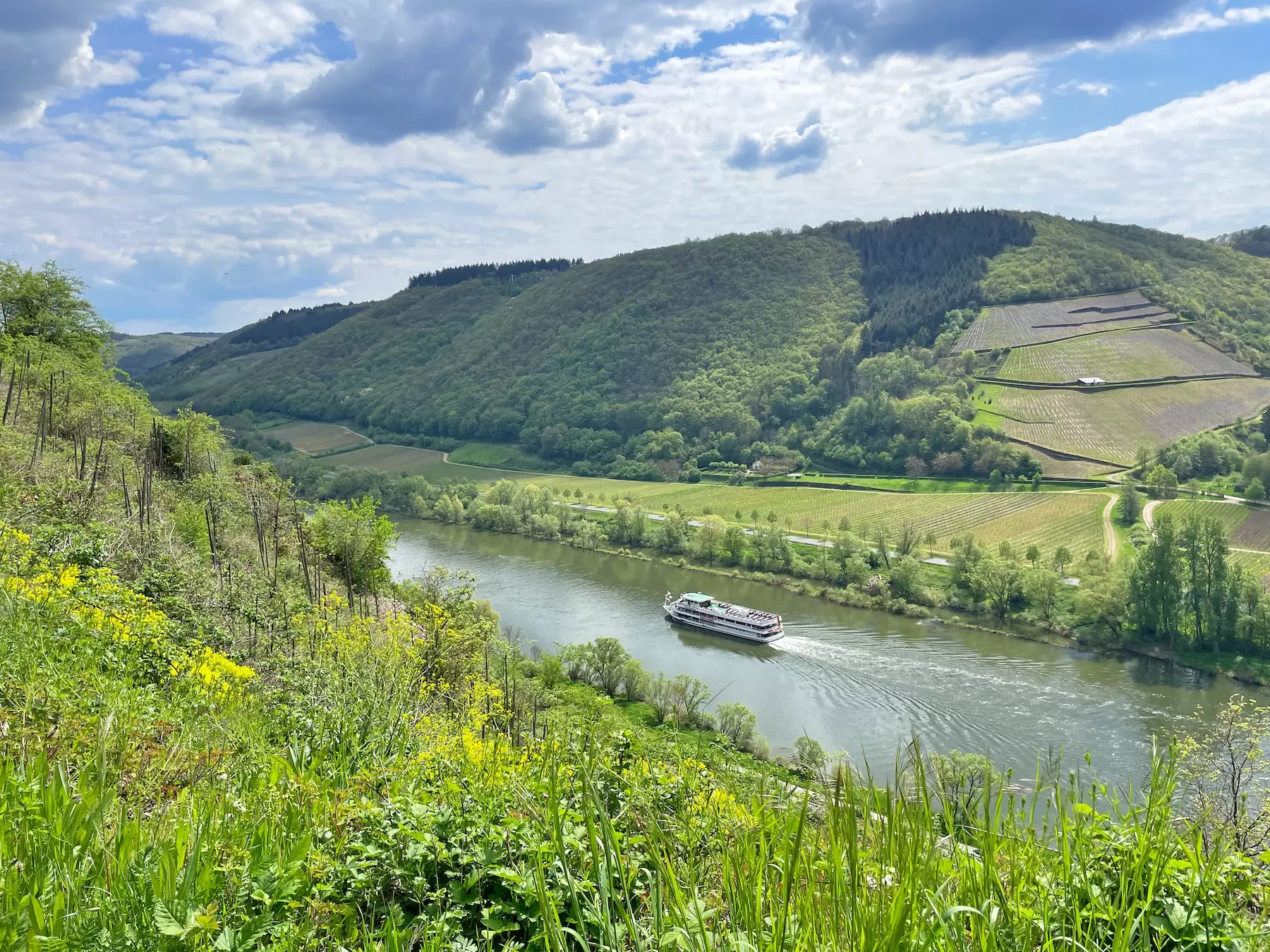
Another highlight of this trip is the scenic boat trip on the Mosel, which shows you the valley from a whole new perspective. The vineyards rise steeply, the light glitters on the water, and the river landscape looks almost like a painting 🚤🌞. A glass of Elbling, which has been cultivated in this region for centuries, goes well with this. Fresh, characterful, and inseparably connected with the Mosel valley.
Finally, the path leads to a varied stage of the Eifelsteig trail. Here you experience the wild beauty of the Eifel with its quiet forests, mossy gorges, and natural paths. A highlight is crossing the suspension bridge in the idyllic Kyll valley. A moment between heaven and earth, accompanied by the rush of the water deep beneath you 🌉🍀. This passage combines adventure with idyll and provides a perfect final impression of this multi-faceted hiking week.
The daily stages are pleasant to manage, leaving room for relaxation and spontaneous breaks. Whether you enjoy a viewpoint in peace, visit a winery, or plan a small detour, you determine the pace yourself. This is exactly where the special freedom of this journey lies: hiking, enjoying, relaxing, and experiencing the region in all its richness ✨🥾🍇. This tour on the Moselsteig and Eifelsteig is a wonderful combination of nature experience, cultural history, and enjoyment. A journey that inspires, slows you down, and stays in your heart for a long time.
Arrival in Perl
You set off on your week’s walking holiday from the small wine growing district, Perl in the Saarland and you then walk along the river Moselle, which is only separated from the Luxemburg’s border town, Schengen, by the river Moselle itself.
Hotel (example): Hotel Hammes
Perl – Palzem
The start of your week’s walk gives you a view across the border triangle to Luxembourg and France. Your route takes you from the delightful wine-growing region via quaint forests and extensive fields in the Palatinate wine village, Palzem, which welcomes you with famous wineries and extensive vineyards. There you will meet again the river Moselle and enjoy a glass of the best Elbling wines.
Hotel (example): Zeit bei Sauerweins
distance
climb
descent
duration
Palzem – Nittel
After visiting the double towered Helfant cathedral, you walk along the paths offering great views and short but steep ascents along the flourishing meadows and forests. Enjoy the view of the river Moselle before you reach the next wine district by a crossroads.
Hotel (example): Culinarium Nittel
distance
climb
descent
duration
Nittel – Trier
With an impressive panorama of the Moselle and the unique limestone cliffs on the Moselle and Saar, you will hike on varied paths through the Nitteler Felsen nature reserve, which is rich in species, to Wasserliesch. From there it goes by train to the Moselle metropolis Trier.
Hotel (example): Deutscher Hof
distance
climb
descent
duration
Circular walk Trier
Make sure that you visit the UNESCO-World heritage site Porta Nigra, the amphitheater and the cathedral in Germany’s oldest town. You walk along the Traumsteig up to the Petrisberg where you will get a breathtaking view of Trier and the Moselle valley. In the afternoon, you will go on a panoramic ship ride on the river Moselle.
Hotel (example): Deutscher Hof
distance
climb
descent
duration
Circular walk Eifel Trail
Today you will switch from the Moselle Trail to the Eifel Trail. It is the final stage on this walking holiday and it would be pretty tricky to offer more highlights than on this tour. Impressive natural monuments like the well-known Genoveva and Klausen caves or the view of the Kyll river meanders and the imposing Burg Ramstein are all waiting for you on today’s walk through the romantic Butzerbach valley. Return to Trier by train on your own.
Hotel (example): Deutscher Hof
distance
climb
descent
duration
Departure or extension
You can now individually extend your stay on the Mosel and explore the rest on your own, or you can start your journey home. If you would like to continue hiking, we can recommend the hike (9 days) on the Moselsteig trail as far as Koblenz.
Day 1
Arrival in Perl
You set off on your week’s walking holiday from the small wine growing district, Perl in the Saarland and you then walk along the river Moselle, which is only separated from the Luxemburg’s border town, Schengen, by the river Moselle itself.
Hotel (example): Hotel Hammes
Day 2
Perl – Palzem
The start of your week’s walk gives you a view across the border triangle to Luxembourg and France. Your route takes you from the delightful wine-growing region via quaint forests and extensive fields in the Palatinate wine village, Palzem, which welcomes you with famous wineries and extensive vineyards. There you will meet again the river Moselle and enjoy a glass of the best Elbling wines.
Hotel (example): Zeit bei Sauerweins
distance
climb
descent
duration
Day 3
Palzem – Nittel
After visiting the double towered Helfant cathedral, you walk along the paths offering great views and short but steep ascents along the flourishing meadows and forests. Enjoy the view of the river Moselle before you reach the next wine district by a crossroads.
Hotel (example): Culinarium Nittel
distance
climb
descent
duration
Day 4
Nittel – Trier
With an impressive panorama of the Moselle and the unique limestone cliffs on the Moselle and Saar, you will hike on varied paths through the Nitteler Felsen nature reserve, which is rich in species, to Wasserliesch. From there it goes by train to the Moselle metropolis Trier.
Hotel (example): Deutscher Hof
distance
climb
descent
duration
Day 5
Circular walk Trier
Make sure that you visit the UNESCO-World heritage site Porta Nigra, the amphitheater and the cathedral in Germany’s oldest town. You walk along the Traumsteig up to the Petrisberg where you will get a breathtaking view of Trier and the Moselle valley. In the afternoon, you will go on a panoramic ship ride on the river Moselle.
Hotel (example): Deutscher Hof
distance
climb
descent
duration
Day 6
Circular walk Eifel Trail
Today you will switch from the Moselle Trail to the Eifel Trail. It is the final stage on this walking holiday and it would be pretty tricky to offer more highlights than on this tour. Impressive natural monuments like the well-known Genoveva and Klausen caves or the view of the Kyll river meanders and the imposing Burg Ramstein are all waiting for you on today’s walk through the romantic Butzerbach valley. Return to Trier by train on your own.
Hotel (example): Deutscher Hof
distance
climb
descent
duration
Day 7
Departure or extension
You can now individually extend your stay on the Mosel and explore the rest on your own, or you can start your journey home. If you would like to continue hiking, we can recommend the hike (9 days) on the Moselsteig trail as far as Koblenz.
Requirements for hikers
Summary
- Total approx 90 km over 5 hiking days
- 6 nights
- Breakfast
- Luggage transfer
- Boat ride on the river Moselle
- Wine tasting Moselle wines
- Travel documents and GPS data
- Service hotline
- from 799,- € per person
- Transfers not included (approx. €12 per person)
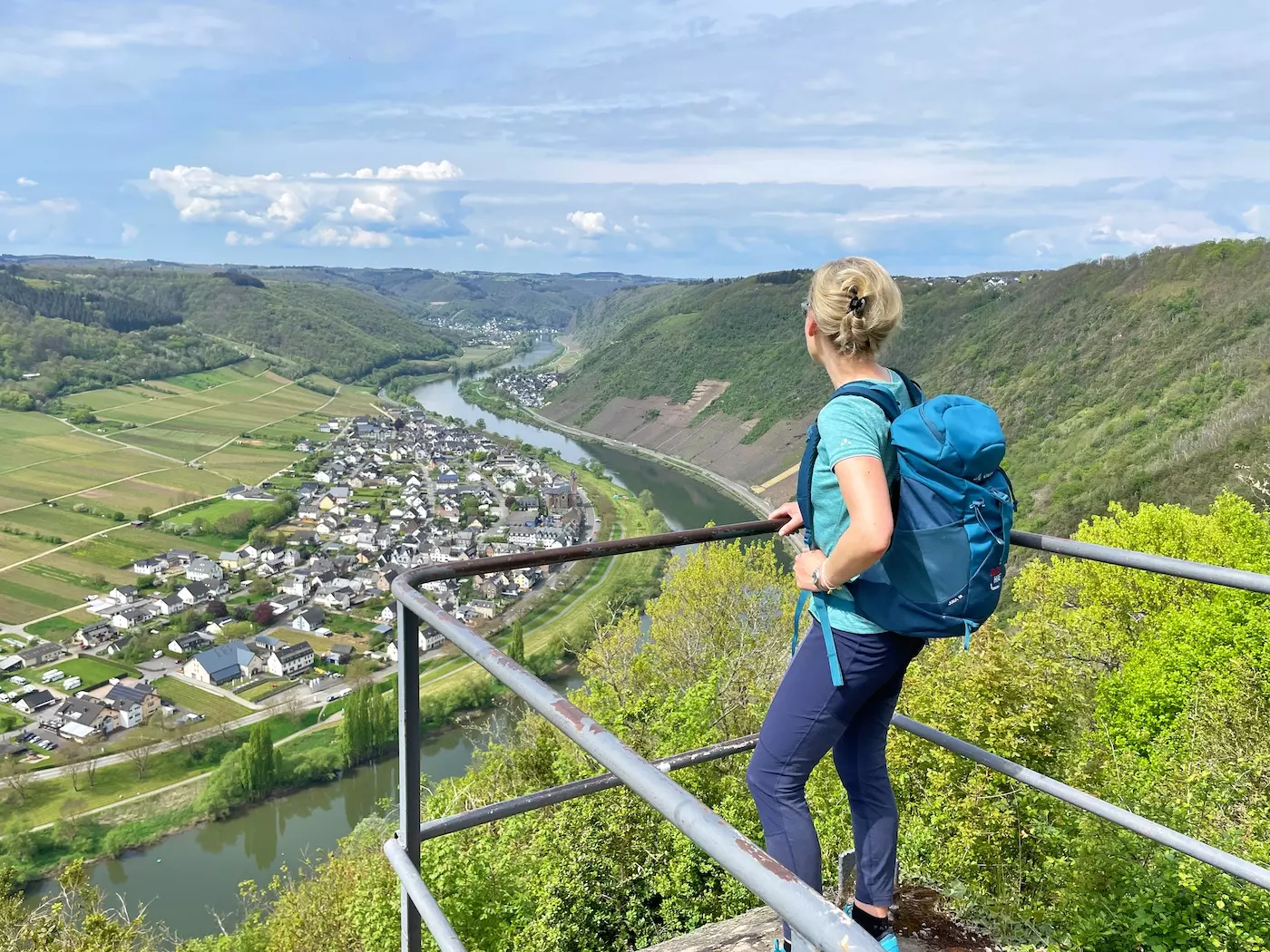
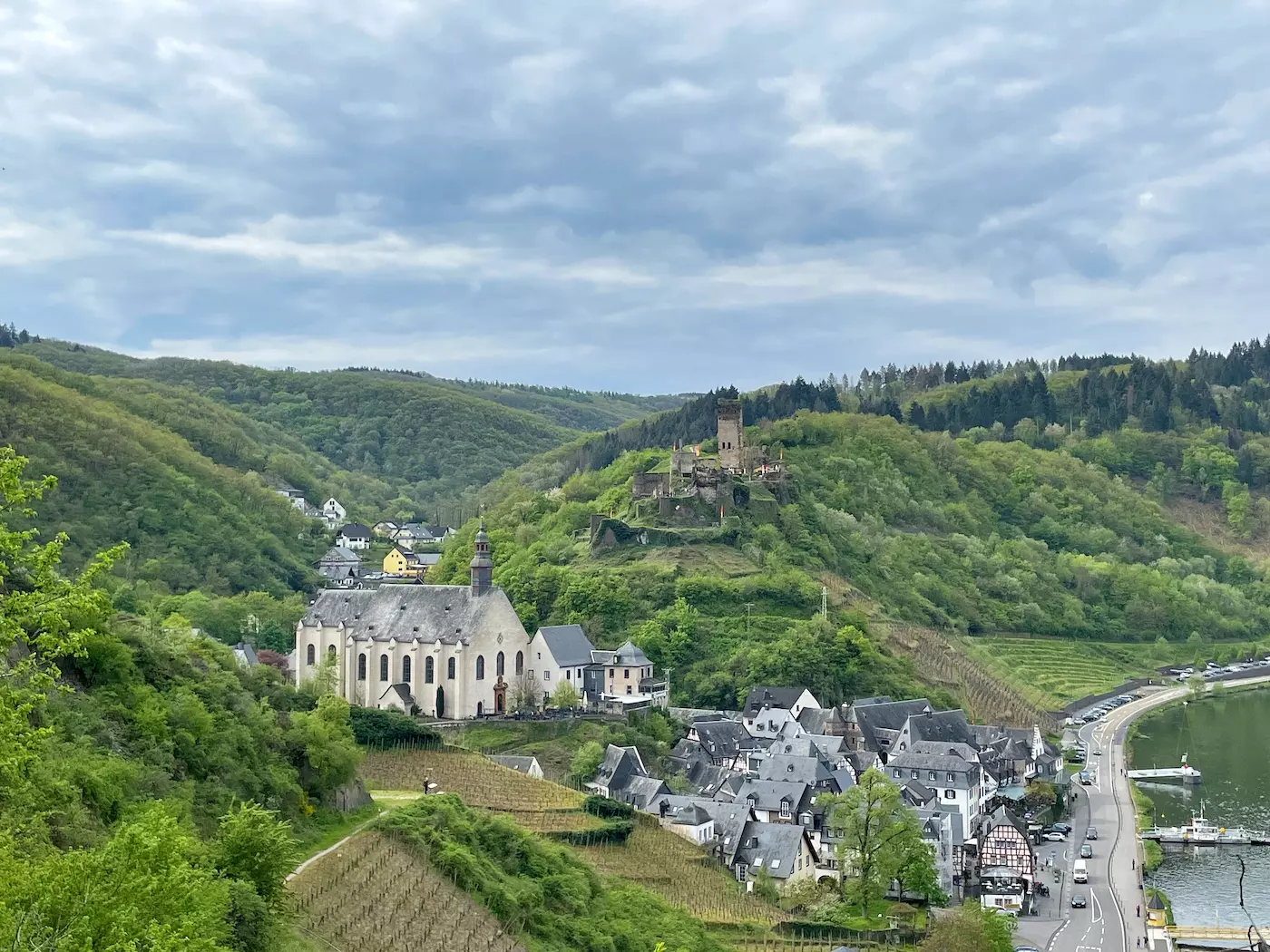
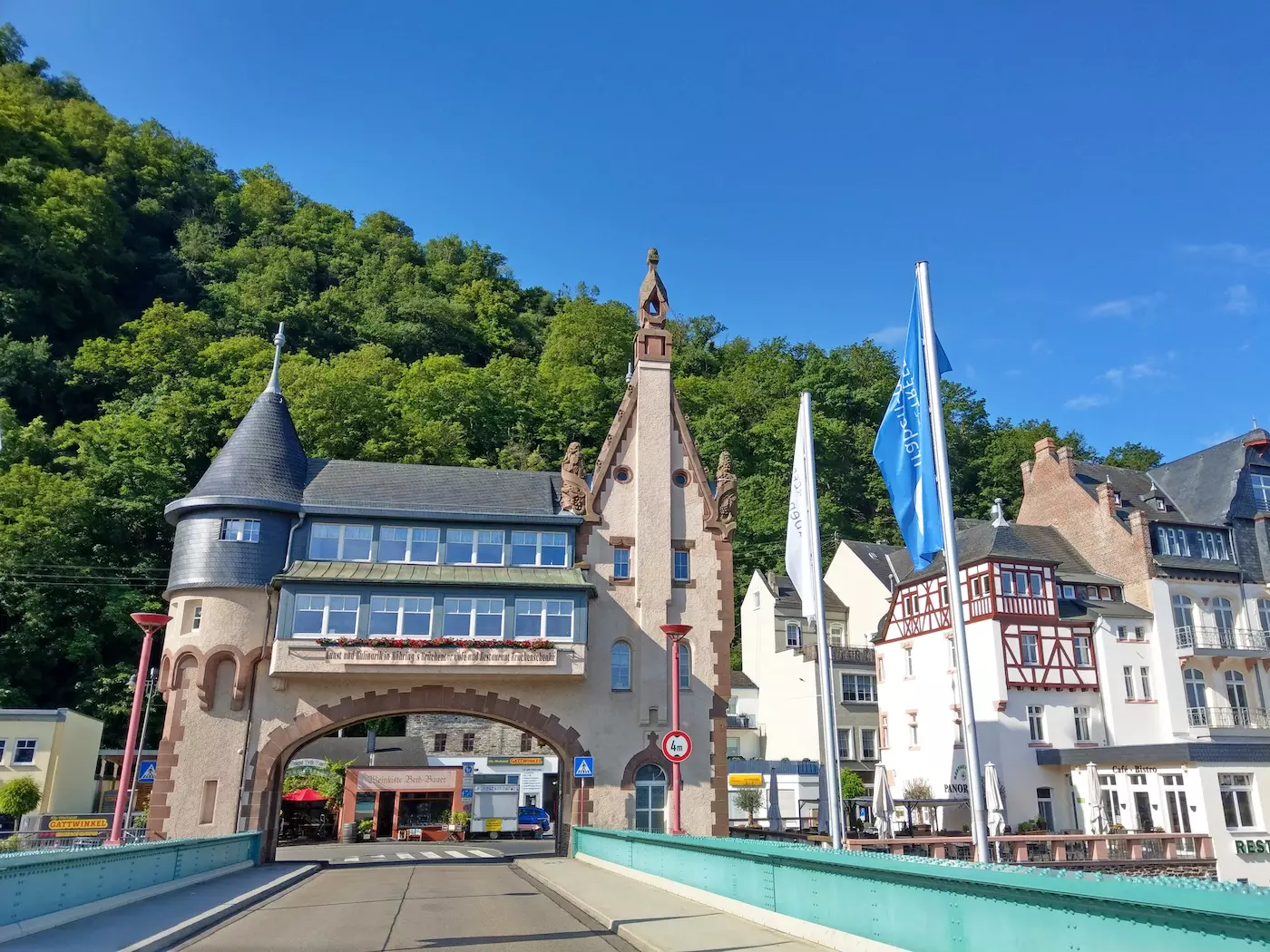
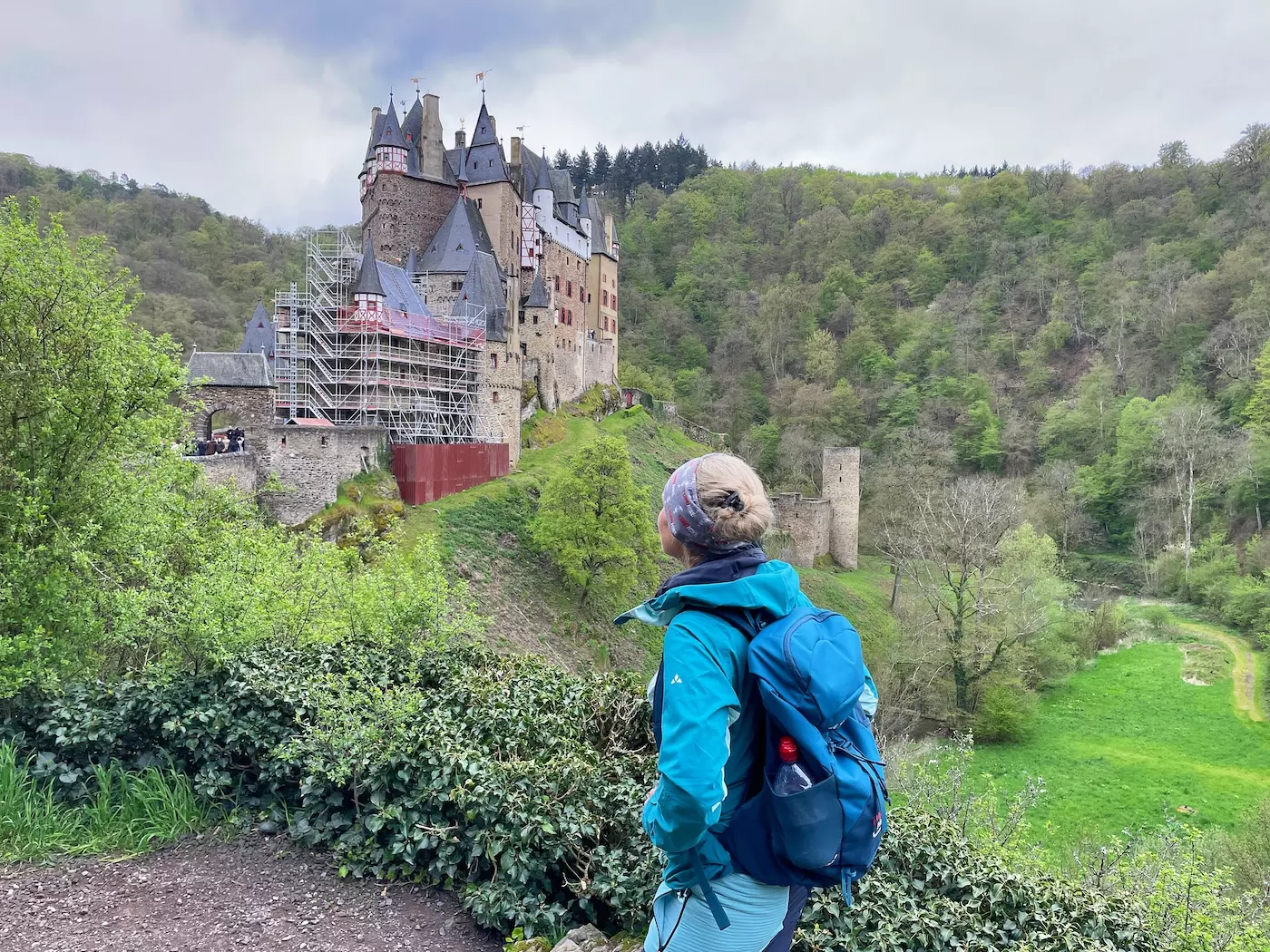
Facts about the Moselsteig
- The Moselle region is Germany’s oldest wine-growing area. The tradition of viticulture was established here by the ancient Romans over 2000 years ago to supply their garrisons with wine.
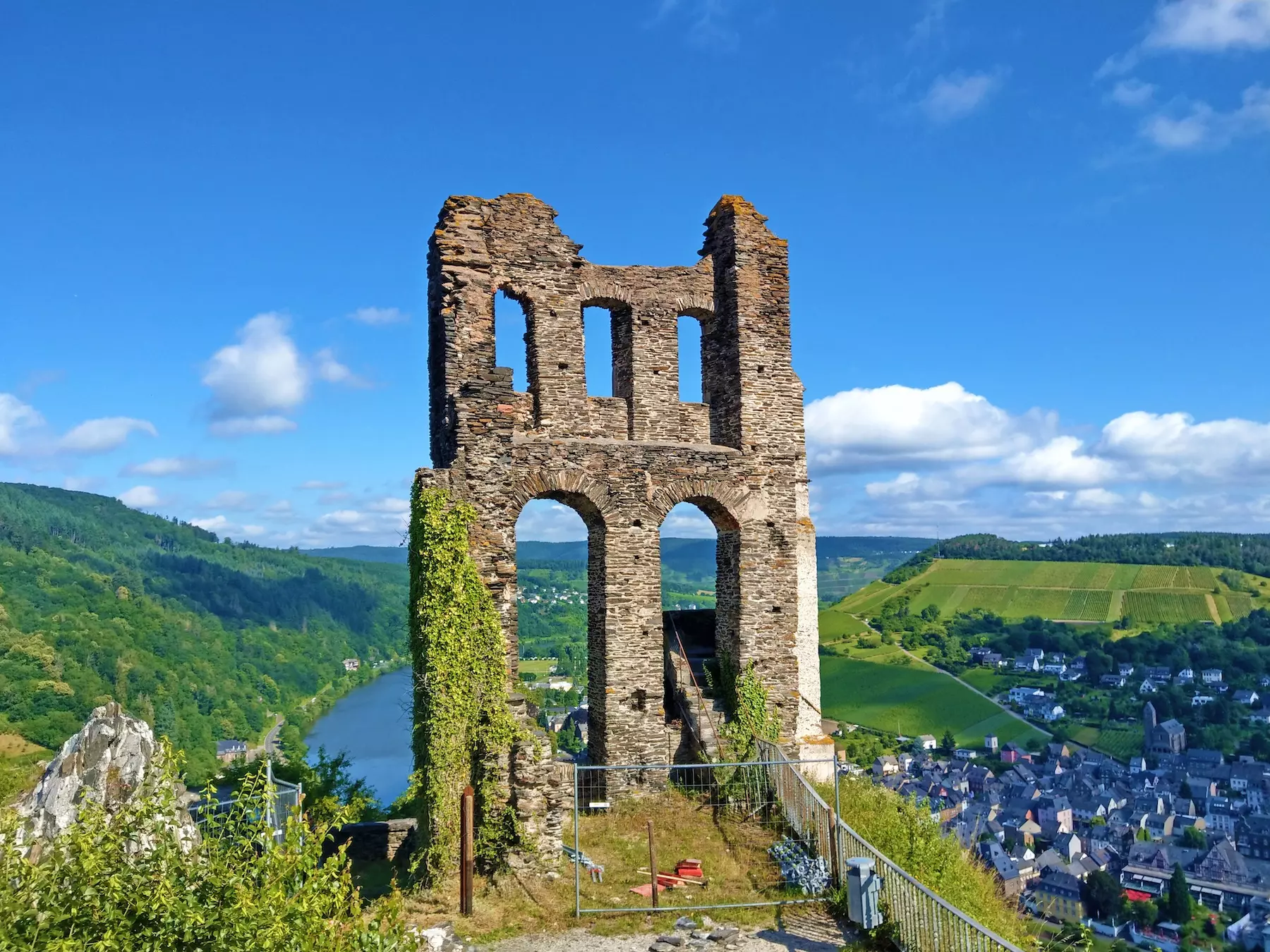
- Numerous historical sites can be found along the river, including Roman structures in Trier and medieval castles like the Reichsburg Cochem.
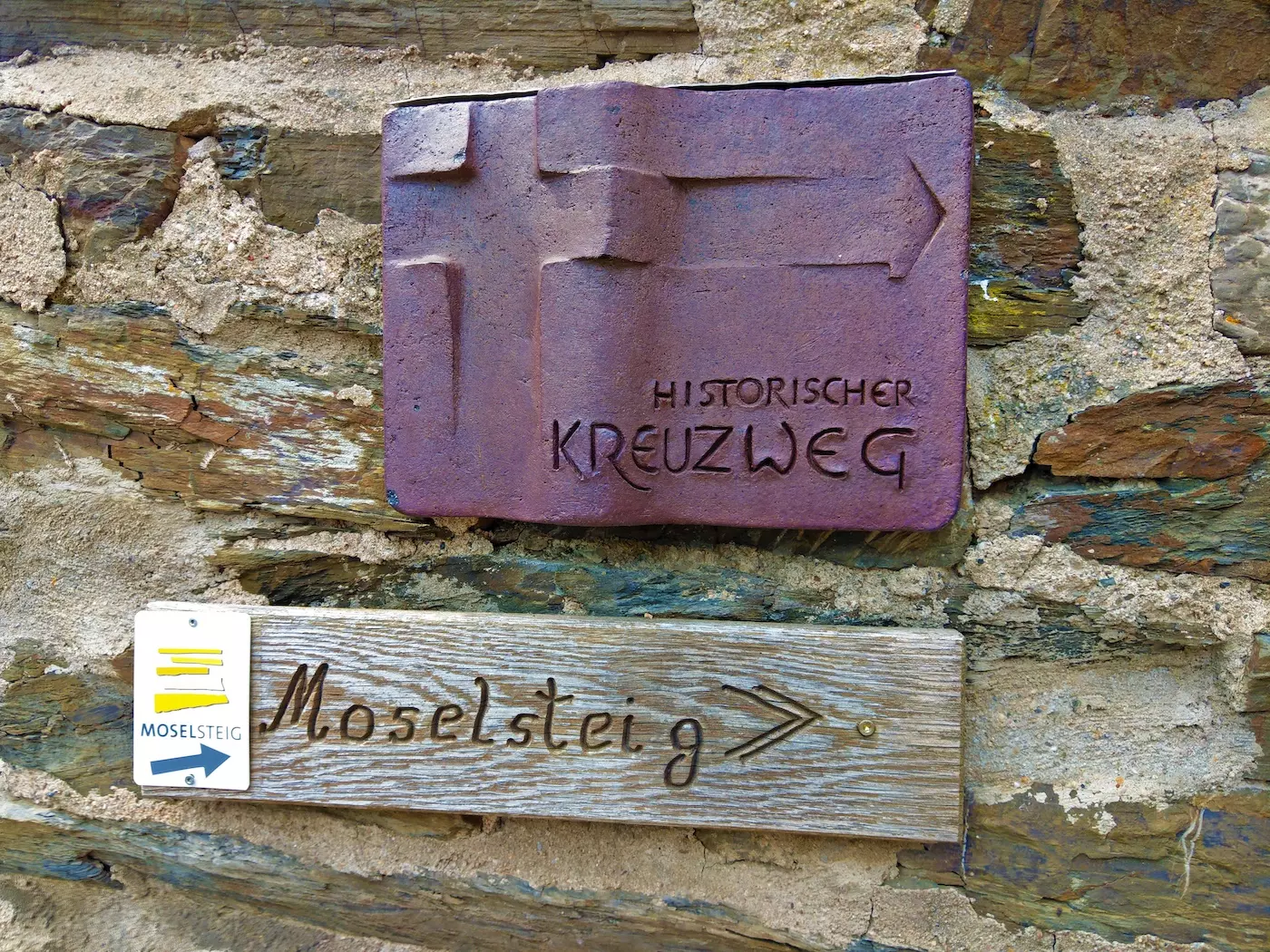
- The Moselsteig is a long-distance hiking trail with a total length of 365 kilometers
- The Moselsteig has been awarded the title of "Leading Quality Trail" (European Quality Hiking Trail)
- The highest point of the Moselsteig is the Mehringer Berg, at an altitude of around 419 meters
- The Moselsteig was officially opened in 2014
Climate in the Moselle Region
The Moselle region is characterized by a temperate Central European climate with very special microclimate effects. The deeply incised Moselle valleys act like a heat reservoir: the slopes absorb a lot of solar heat during the day—especially the slate rock faces—and release it again at night. In the Moselle valley, summers are moderately warm, with average daily highs of around 22–23 °C in the hottest months. Winters are relatively mild, with nights occasionally bringing frost, but rarely dropping permanently below freezing. Annual precipitation ranges between 550 and 1,000 mm, depending on the slope's location. The duration of sunshine is quite high, as the steep, sunny slopes absorb a lot of direct radiation. This makes the Moselle valley one of Germany's warmer and sunnier regions. The best time for a hike or a leisurely holiday along the Moselle is from late spring to early autumn, when the weather is most pleasant, the vineyards are in full bloom, and the mild climate is ideal for exploring.
Cuisine on the Moselle
Moselle cuisine is shaped by a centuries-old wine tradition. Riesling, Elbling, and even the vineyard peach are found not only in the glass but also in the kitchen. The region is known for dishes that are both creative and down-to-earth, in which wine, distillates like pomace (Trester), and typical fruit liqueurs play an important role. A classic of Moselle cuisine is the so-called Tresterfleisch: tender meat that is leisurely cooked in a broth made from grape pomace (the pressed residues of winemaking). The result is particularly aromatic and combines meat and wine in one dish. Hearty stews are also very popular, such as Tertich (or Cräwes), with bacon, potatoes, sauerkraut, and a splash of wine. In addition to hearty dishes, the Moselle towns also offer modern, light delights: tapas-like small plates with a regional touch, such as grape jelly, cheese, a Riesling foam soup, or bread with walnuts, are perfect for a sociable break in the vineyard. For those with a sweet tooth, there are typical regional desserts where wine or liqueurs are used in sauces, jellies, or desserts. Moselle cuisine is a real experience for all the senses: traditional aromas, strong connections to wine, and creative reinterpretations combine to create an indulgent whole.